Where this page fits, and related pages
This page is one of a series on debt collection. For the overall picture, please see the central page below.
▶ Debt Collection in Japan|An Overview of Prescription, Procedures and Enforcement
Related pages on the same subject
- Ten Points That Decide Whether a Debt Is Recovered in Japan
- When a Customer Raises Spurious Objections and Refuses to Pay | Burden of Proof and How to Answer Under Japanese Law
- Debt Collection by Content-Certified Mail in Japan|Effect, Contents and Timing
- A Provisional Attachment Has Been Made Against You|Remedies Available Under Japanese Law
- Making Provisional Attachment Effective in Japan | The Importance of Asset Investigation
- The Methods of Debt Collection in Japan and What Each One Is Good For
- Recovering Claims, Receivables and Rent Arrears in Japan | Explained by a Japanese Lawyer
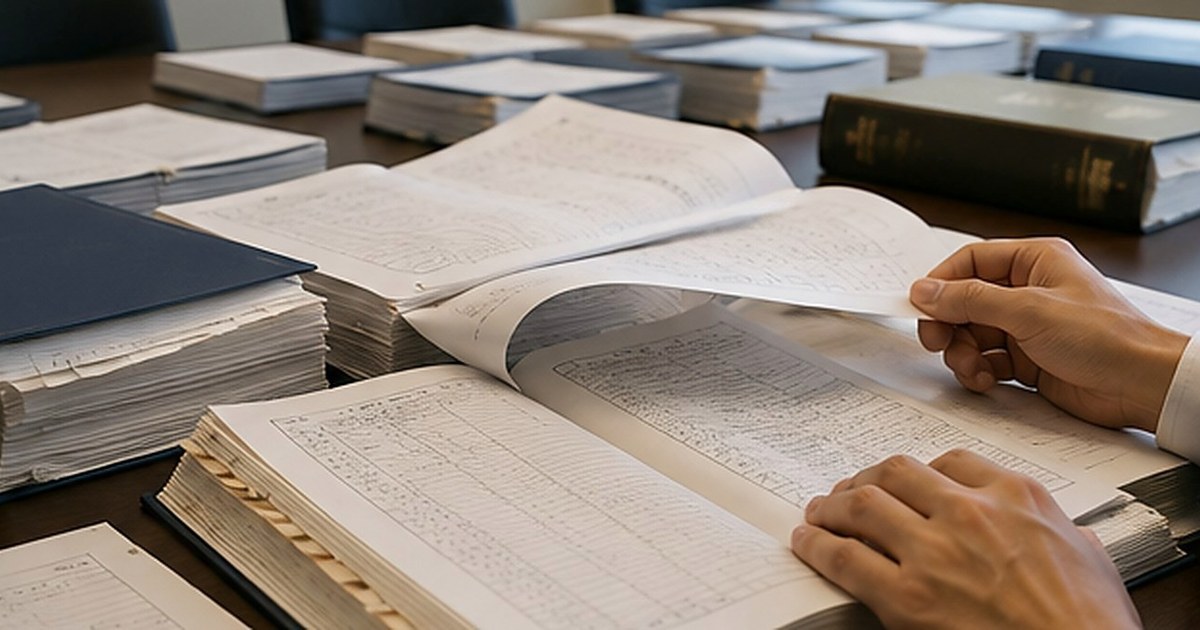
The belief that no claim can be made because no contract was drawn up is not necessarily correct. Civil proceedings in Japan do not turn on the presence or absence of a single document; the court’s finding is built from an accumulation of indirect facts.
1. Materials that can serve as proof
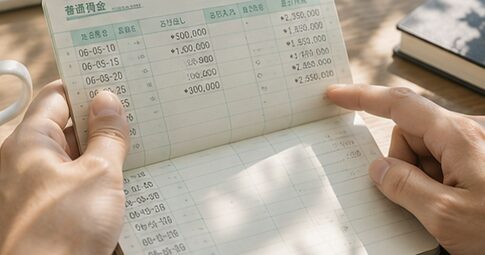
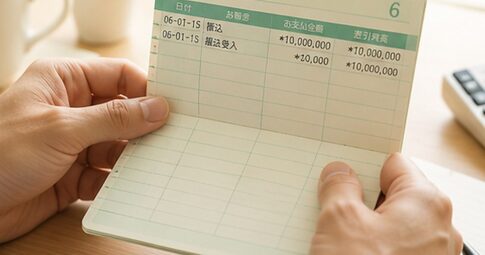
- Bank transfer records (showing that money changed hands, in what amount and when)
- Entries in accounting books and the general ledger
- Quotations, purchase orders, delivery notes and invoices
- Email and messaging correspondence
- Minutes of meetings and internal memoranda
- Part payment (which constitutes an acknowledgement of the debt)
- Written statements from third parties
2. A transfer record alone is not enough
The fact of a transfer does not by itself establish that the money was lent. The other party may contend that it was a gift, a capital contribution, or the discharge of an existing obligation. Material showing a promise of repayment, or showing how the payment was treated in the accounts, should therefore be assembled alongside the transfer record.
3. Investigative tools available to a lawyer
Under Article 23-2 of the Attorney Act of Japan, a lawyer may, through the bar association, make enquiries of public and private bodies. What can be obtained varies with the body approached, but the procedure is often of assistance in locating the other party and establishing its trading position and certain assets.
4. Conclusion
You are welcome to consult us before assembling any documents. We will identify which materials matter and where they can be obtained.
How to contact us
Telephone 03-6435-8418 within Japan, or +81-3-6435-8418 from overseas. Lines are open from 08:00 to 21:00 Japan time, including Saturdays, Sundays and public holidays. Enquiries are also received at any hour through the form on this site.
M&A Partners Law Office LPC Katsuhiro Tsuchiya, Representative Attorney-at-Law (Tokyo Bar Association, Registration No. 26775) 17F Mori Trust Shiroyama Trust Tower, 4-3-1 Toranomon, Minato-ku, Tokyo, Japan
This article is a general explanation based on the laws and practice of Japan as at August 2026 (Reiwa 8). The outcome of any particular matter depends on its own facts, and no specific result is guaranteed.
If you are considering a consultation
The scope of our work on this subject, how a matter proceeds and how our fees are determined are set out on the page below.
お問い合わせ
この記事に関連するお問い合わせは、弁護士法人M&A総合法律事務所にいつにてもお問い合わせください。ご不明な点等ございましたら、いつにてもお問い合わせいただけましたら幸いです。
無料診断フォーム
こちらのフォームから、請求可能性や解決可能性に関する無料診断が可能です(ベータ版)。いくつかの質問に回答することによりご自身のご状況が分かります。ご活用ください。
弁護士法人M&A総合法律事務所メールマガジン

セミナー情報と書籍・電子書籍の謹呈