Where this page fits, and related pages
This page is one of a series on debt collection. For the overall picture, please see the central page below.
▶ Debt Collection in Japan|An Overview of Prescription, Procedures and Enforcement
Related pages on the same subject
- Making Provisional Attachment Effective in Japan | The Importance of Asset Investigation
- The Methods of Debt Collection in Japan and What Each One Is Good For
- Recovering Claims, Receivables and Rent Arrears in Japan | Explained by a Japanese Lawyer
- When the Other Side Produces a Document You Say Is Forged|Challenging the Authenticity of Documentary Evidence in Japan
- Employee Embezzlement in Japan|Securing the Evidence, Recovering the Loss and Handling the Dismissal
- Competition by Employees and Former Employees in Japan|Non-Compete Covenants, Trade Secrets and the Remedies Available
- Execution Against Movables in Japan|What the Court Execution Officer Can Seize, and What He Cannot
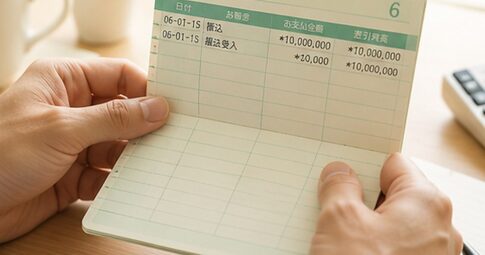
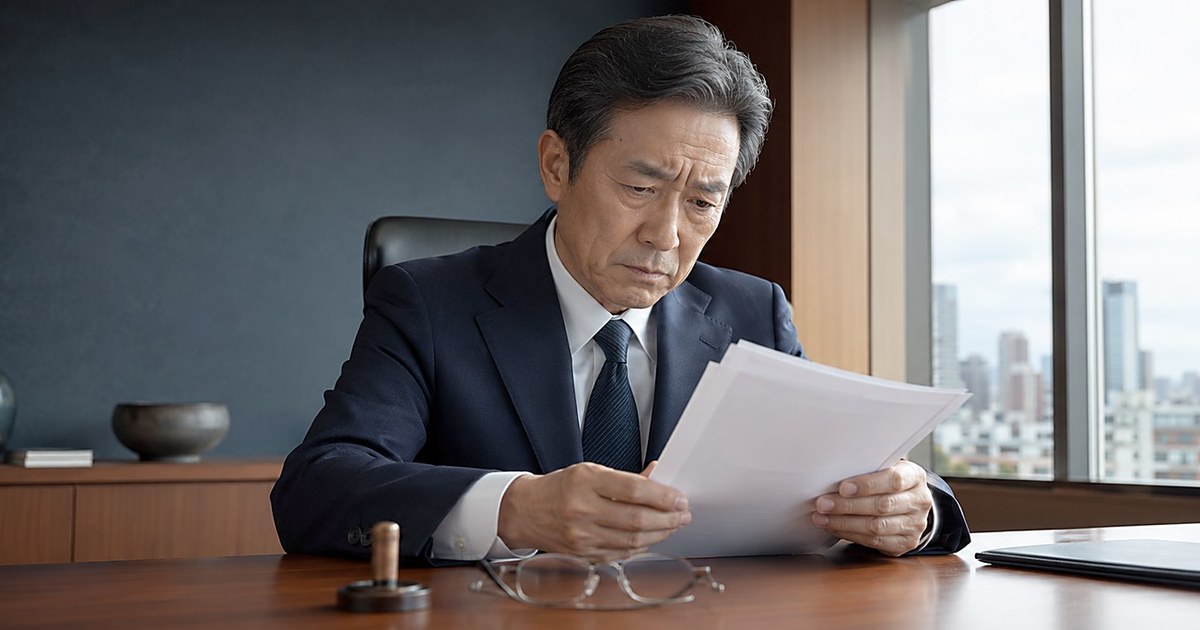
A payment falls due, you go to make it, and the account will not move. In Japan that is how most debtors discover that a provisional attachment (kari-sashiosae) has been granted against them. The application is heard without the debtor being called to state a case, and no warning is given before the order issues: the first news arrives with service of the written order, or from the bank or a customer. What follows is an outline, under Japanese law, of the remedies open to a debtor in that position.
- Begin by obtaining the order and the application, and establish what claim is being secured
- Objection to the provisional remedy (hozen-igi)
- Revocation of the provisional remedy, and the order to bring an action
- Release by depositing the sum fixed in the order
- Damages for a wrongful attachment, and the effect on the business
- In closing
- How to contact us
Begin by obtaining the order and the application, and establish what claim is being secured
Which remedy is worth pursuing depends entirely on the claim the creditor asserts. Apply first to the issuing court for inspection and copies of the case record, and obtain the written order, the application and the evidence filed in support. From these you can establish the nature and amount of the right to be preserved, the security bond furnished by the creditor, and the sum fixed in the order for release from the attachment. Until that is done, approaching the creditor or making a part payment is unwise: a part payment may amount to an acknowledgement of debt and renew prescription in the creditor’s favour.
Objection to the provisional remedy (hozen-igi)
An objection is made to the very court that granted the order, and no time limit applies to it. The debtor may contest the right to be preserved, either denying it outright or showing that it is smaller than claimed — the debt has been paid, the calculation is wrong, the creditor’s own performance was defective and gives rise to a set-off or a defence of simultaneous performance. It may equally contest the necessity of preservation, for instance by showing that its means are ample and that there is no realistic prospect of assets being concealed. The court hears both parties and then affirms, varies or sets aside the order. An objection does not of itself suspend execution: the freeze continues, as a rule, until the court has ruled.
Revocation of the provisional remedy, and the order to bring an action
Revocation is a separate route, which may be pursued alongside an objection, and rests on one of three grounds.
- Failure to bring the action on the merits — the debtor may apply for an order to bring an action (kiso-meirei), by which the court directs the creditor to file the substantive action and produce proof of filing within a fixed period (at least two weeks by statute, commonly around one month in practice). If the creditor lets the period pass, the debtor may apply to have the attachment revoked. Against a creditor who obtained the attachment as leverage and has no intention of litigating, this is the most effective step available.
- Change of circumstances — revocation may be sought where the right to be preserved has been extinguished by payment, set-off or prescription, or where the necessity of preservation has fallen away. A first-instance judgment dismissing the creditor’s claim in the action on the merits may itself constitute such a change.
- Special circumstances — where the execution causes the debtor grave loss of a kind not ordinarily entailed, revocation may be sought on the debtor providing security.
A party dissatisfied with the ruling on an objection or on an application for revocation may lodge an appeal against the provisional remedy (hozen-kokoku) with the superior court within the unextendable period of two weeks from service.
Release by depositing the sum fixed in the order
Every order for provisional attachment must specify a sum on payment of which the attachment is released (kari-sashiosae kaiho-kin). Once the debtor deposits that sum with the Legal Affairs Bureau, it may apply for the execution to be cancelled. This does not challenge the order itself; the deposit takes the place of the assets attached, and the frozen deposits or real property become free again. For a business unable to meet wages or supplier payments because its account is frozen, this is the quickest solution available. It presupposes cash in hand, so it is weighed alongside the objection and revocation routes rather than instead of them.
Damages for a wrongful attachment, and the effect on the business
The security bond deposited by the creditor with the Legal Affairs Bureau exists precisely to answer for the loss a debtor suffers from an unjustified attachment. If the attachment is later revoked, or the creditor’s claim is finally dismissed in the action on the merits, the debtor may claim damages under article 709 of the Civil Code of Japan and may look to that security bond for satisfaction. The burden of proving both the loss and its amount rests on the debtor.
The commercial consequences deserve equal attention. Under standard Japanese bank transaction terms, the attachment of a deposit account is commonly an event that accelerates the borrower’s obligations, and it may halt new lending or trigger a demand for immediate repayment of existing loans. Where the attachment reaches accounts receivable, the customer learns of it directly and the damage to standing is greater still.
In closing
A provisional attachment is a temporary measure, but its effect on a business is immediate and real. Whether to object, to seek revocation, to apply for an order to bring an action, or to deposit the sum fixed for release turns on the strength of the claim asserted, the cash available, and whether there is room to negotiate. These proceedings move quickly, and instructions should be given as soon as the order is served. We are equally glad to work through the debtor’s own counsel abroad.
How to contact us
Telephone 03-6435-8418 within Japan, or +81-3-6435-8418 from overseas. Lines are open from 08:00 to 21:00 Japan time, including Saturdays, Sundays and public holidays. Enquiries are also received at any hour through the form on this site.
M&A Partners Law Office LPC Katsuhiro Tsuchiya, Representative Attorney-at-Law (Tokyo Bar Association, Registration No. 26775) 17F Mori Trust Shiroyama Trust Tower, 4-3-1 Toranomon, Minato-ku, Tokyo, Japan
This article is a general explanation based on the laws and practice of Japan as at August 2026 (Reiwa 8). The outcome of any particular matter depends on its own facts, and no specific result is guaranteed.
If you are considering a consultation
The scope of our work on this subject, how a matter proceeds and how our fees are determined are set out on the page below.
お問い合わせ
この記事に関連するお問い合わせは、弁護士法人M&A総合法律事務所にいつにてもお問い合わせください。ご不明な点等ございましたら、いつにてもお問い合わせいただけましたら幸いです。
無料診断フォーム
こちらのフォームから、請求可能性や解決可能性に関する無料診断が可能です(ベータ版)。いくつかの質問に回答することによりご自身のご状況が分かります。ご活用ください。
弁護士法人M&A総合法律事務所メールマガジン

セミナー情報と書籍・電子書籍の謹呈